Top Concrete Services Every General Contractor Should Offer
Construction professionals play a crucial role in construction, particularly when it comes to concrete work. Essential offerings like concrete foundations and flatwork provide structural stability. Additionally, aesthetic concrete finishes can improve visual appeal. However, preservation and creative approaches are just as essential for longevity and sustainability. Understanding these key services can have a major effect on project success. What specific strategies can contractors implement to optimize their concrete offerings?
Essential Foundation Basics for Any Project
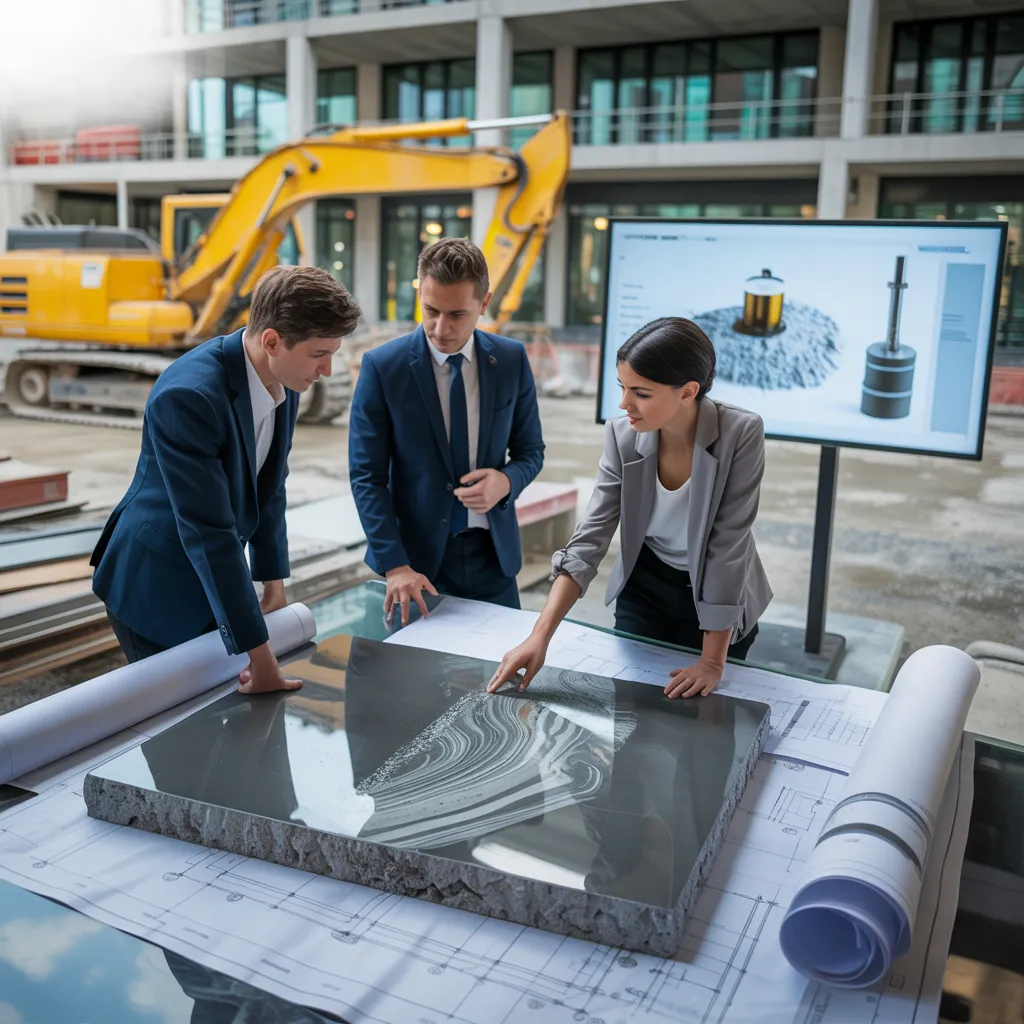
A robust foundation is vital for any construction project, serving as the cornerstone of structural integrity. It offers stability, minimizes settlement, and ensures the longevity of the structure. Proper foundation design begins with an assessment of soil conditions, load requirements, and environmental factors. General contractors must prioritize the selection of superior materials, as they directly impact the durability and performance of the foundation. The choice between various foundation types—such as slab, pier, or crawl space—depends on the specific project needs and local building codes. Additionally, thorough attention to detail during the pouring and curing process is critical to avoid future complications. Effective collaboration with engineers and architects during the planning phase enhances the foundation's alignment with overall project goals. By focusing on these aspects, general contractors can guarantee a robust foundation that supports the entire structure, safeguarding the investment and ensuring safety for years to come.
Common copyrightples of Concrete Flatwork Applications
A variety of concrete flatwork applications highlight its flexibility in numerous construction settings. One prominent use is in the creation of driveways, providing durable and long-lasting surfaces that withstand heavy loads. Pathways and sidewalks represent another key use, providing secure pedestrian routes in both residential and commercial settings. Concrete patios improve outdoor areas, enabling homeowners to host gatherings and engage in recreational activities.
In addition, manufacturing settings profit from concrete flooring, which sustains machinery and substantial traffic while staying simple to upkeep. Parking lots also utilize concrete flatwork, creating a dependable surface for vehicles. Moreover, pool surrounds crafted with concrete offer a non-slip surface that improves safety near swimming pools.
These wide-ranging applications highlight how concrete flatwork serves functional needs while serving as the foundation of many construction projects, making it an essential service for construction contractors.
Decorative Concrete Surfaces That Reinvent Spaces
Decorative concrete finishes offer general contractors a variety of choices to enhance the aesthetic appeal of diverse environments. Polished surfaces, stamped concrete designs, and stained finishes all offer unique textures and colors that can significantly change environments. These applications not only boost the aesthetic value but also expand the practical flexibility of concrete applications.
Stamped Concrete Patterns
How do stamped concrete designs improve the overall aesthetic of exterior and interior spaces? These flexible surfaces imitate natural materials including stone, tile, or wood, offering a refined aesthetic at a fraction of the cost. By incorporating a range of patterns, colors, and textures, stamped concrete can upgrade patios, walkways, and even indoor floors, turning commonplace areas into visually impressive surroundings.
General contractors offering stamped concrete services are well-equipped to meet varied client tastes and requirements, guaranteeing that each project captures unique aesthetic preferences. The durability and low maintenance of stamped concrete further contribute to its appeal, making it an ideal option for numerous uses. At their core, stamped concrete designs represent a reliable approach for enhancing the beauty and functionality of both residential and commercial spaces.
Finished Concrete Surfaces
While many flooring options exist, polished concrete surfaces emerge as a remarkable option for both residential and commercial spaces. These surfaces offer a sleek, modern aesthetic, enhancing the overall design and functionality of any area. The method includes grinding and buffing the concrete to produce a high-gloss surface, which not only elevates visual appeal but also improves durability. Polished concrete offers strong resistance to stains and spills, making it a practical option for high-traffic environments. Additionally, it reflects light, promoting energy savings by decreasing the reliance on artificial lighting. As an adaptable flooring option, polished concrete can be tailored with different aggregates and surface finishes, allowing general contractors to cater to diverse client preferences while delivering exceptional results.
Stained Concrete Choices
What options exist for enhancing concrete aesthetics? Stained concrete provides a versatile solution for transforming dull surfaces into vibrant, eye-catching designs. Experienced contractors can deliver a wide range of staining options, like acid stains, which chemically bond with the concrete to generate vibrant, translucent tones, and water-based stains that provide a broader palette and easier application.
These stains can be applied in multiple ways, creating one-of-a-kind patterns and finishes that improve the overall look of indoor and outdoor environments. Moreover, integrating stains alongside other decorative techniques, including engraving or stamping, can result in complex and visually striking patterns. By incorporating stained concrete options, contractors can meet client demands for distinctive, aesthetically pleasing environments while ensuring durability and low maintenance.
How to Maintain Your Concrete in Prime Condition
Caring for concrete necessitates a methodical approach to ensure its lasting quality and appearance. A routine cleaning regimen, combined with appropriate sealant applications, can significantly enhance strength. Moreover, addressing repairs promptly is vital to minimize ongoing harm and preserve the quality of the material.
Ongoing Cleaning Schedule
Maintaining a regular cleaning schedule is crucial for keeping concrete surfaces in optimal condition and appearance. Consistent upkeep prevents the collection of dirt, grime, and stains that may compromise the material over time. Contractors should recommend pressure washing as a primary method for deep cleaning, ensuring that debris is effectively removed without damaging the surface. Furthermore, applying a gentle detergent can improve cleaning results, especially when dealing with oil or grease stains. The cleaning frequency may differ according to environmental conditions and use, yet a biannual schedule is generally considered optimal. Incorporating sweeping and spot cleaning into routine maintenance can further extend the life of concrete surfaces. Ultimately, a dedicated cleaning regimen contributes greatly to the longevity and aesthetic appeal of concrete installations.
Essential Sealing Practices
Reliable sealing practices are vital to maintaining the durability and look of concrete surfaces. General contractors should emphasize the importance of picking the correct sealant depending on the setting and planned application of the concrete. Acrylic, epoxy, and polyurethane coatings each deliver specific strengths, such as resistance to UV rays or enhanced flexibility. Installation should take place under favorable weather conditions, confirming that surfaces are thoroughly clean and dry. Adequate curing time is essential; a sealant must be permitted to cure following the manufacturer's instructions. Additionally, contractors must educate clients on maintenance practices, such as reapplication schedules, to optimize performance. Ultimately, implementing effective sealing strategies not only enhances aesthetic appeal but also protects concrete from moisture, stains, and other damaging elements.
Timely Repairs Needed
Prompt repairs are crucial for maintaining concrete surfaces in optimal condition and stopping further degradation. Fractures, chips, and surface deterioration can develop into major problems if left unattended. General contractors ought to regularly copyrightine concrete for indicators of deterioration, like color changes or uneven areas, which could signal deeper underlying issues. Utilizing appropriate repair materials is vital; epoxy injections provide a reliable solution for sealing cracks, while resurfacing materials can revitalize worn surfaces. Additionally, timely maintenance actions like filling joints Demolition and applying protective sealants contribute to longevity. By prioritizing these repairs, contractors not only enhance the aesthetic appeal of the concrete but also extend its lifespan, guaranteeing client satisfaction and reducing expensive future repairs. Routine care preserves the structural soundness and safety of concrete surfaces.
Advanced Concrete Solutions for Sustainable Building
As the construction industry increasingly prioritizes sustainability, new and inventive concrete solutions are surfacing to satisfy both ecological and structural needs. A notable breakthrough involves the creation of environmentally conscious concrete mixes that integrate recycled materials, like recycled glass or industrial waste materials, lessening the need for newly extracted resources. Additionally, self-healing concrete technologies are gaining traction, utilizing bacteria or special polymers that repair cracks autonomously, consequently increasing the longevity of the material and cutting down on maintenance expenditures.
Moreover, permeable concrete is being employed to handle stormwater efficiently, allowing water to seep through and reduce runoff. This not only mitigates flooding but also promotes groundwater recharge. Finally, the adoption of carbon capture technologies in concrete production provides a compelling opportunity for lowering greenhouse gas emissions. These pioneering techniques not only strengthen structural resilience but also advance a more sustainable building future, aligning with the growing demand for environmentally responsible building practices.
Selecting Quality Concrete: Essential Factors
How do contractors guarantee they are selecting the finest quality concrete for their projects? The key lies in understanding several critical factors. To begin, they should assess the concrete mix design, which must correspond with the particular demands of the project. This includes selecting the right ratio of cement, aggregates, and water to guarantee ideal strength and durability.
Moreover, construction professionals must copyrightine the supply of materials. Partnering with reliable vendors who comply with industry requirements can substantially affect material quality. Assessing the concrete for consistency and functional properties, such as compressive strength and workability, is also essential.
Furthermore, the environmental factors present during curing may influence the finished product. It is essential for contractors to maintain correct curing procedures to extend the concrete's lifespan. Additionally, being well-versed in the latest concrete technology innovations helps contractors identify and implement superior solutions that elevate performance. By focusing on these factors, contractors can guarantee they provide superior concrete services.
Common Questions and Answers
What Are the Usual Costs Connected to Concrete Services?
Common pricing for concrete services can vary significantly, generally ranging from $3 to $15 per square foot. Factors influencing pricing include labor, materials, location, project complexity, and any extra features or finishes needed.
What Is the Proper Curing Time for Concrete?
Concrete typically takes around 28 days to complete the curing process, achieving its full strength. Nevertheless, early set times can fluctuate, frequently permitting minimal foot traffic within 24 to 48 hours after placement, depending on conditions.
What Are the Environmental Impacts of Concrete Production?
Concrete manufacturing plays a major role in CO2 emissions, resource depletion, and habitat destruction. The extraction of raw materials, energy-intensive manufacturing processes, and the movement of materials further exacerbate environmental concerns, highlighting the need for environmentally responsible methods in the industry.
Can You Pour Concrete During Cold Weather Conditions?
Yes, concrete may be poured in low temperatures, but certain precautions must be taken. Employing additives, insulating blankets, and heated enclosures helps secure proper curing and guards against freezing, which can compromise the concrete's strength and durability.
What Kinds of Reinforcement Are Utilized in Concrete Structures?
Concrete builds generally make use of steel reinforcement bars, welded wire fabric, and fiber additives. Such materials increase tensile performance, limit crack formation, and elevate structural durability, providing reliable stability and extended service life under a range of environmental factors and load pressures.